

Top Equestrian Jacket Manufacturer Quanzhou UBI Garments Advances Performance Riding Apparel
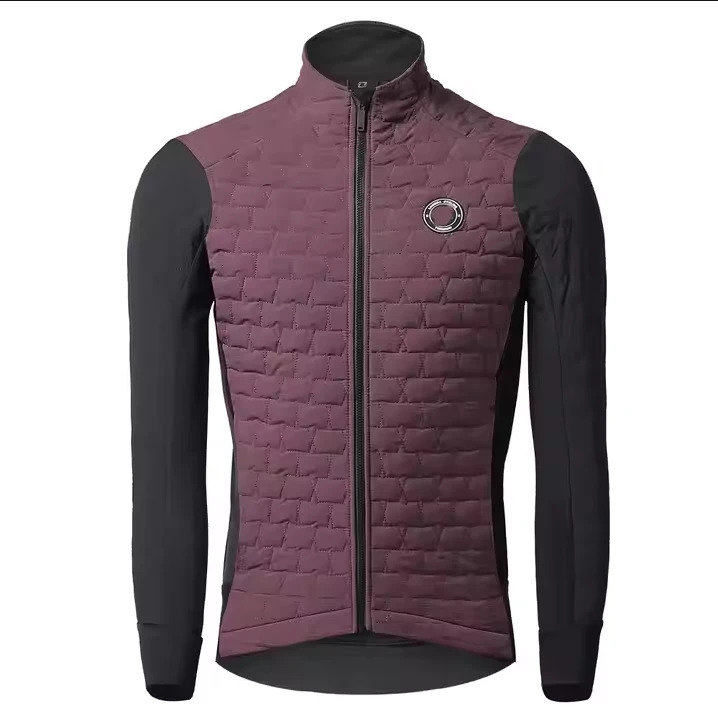
Custom Horse Jackets
QUANZHOU, FUJIAN, CHINA, October 21, 2026 /EINPresswire.com/ --
Quanzhou UBI Garments Co., Ltd. is strengthening its position in the equestrian apparel market through the development and manufacturing of riding jackets, competition clothing, and specialized garments for horse riders. Founded in 2007 and based in Shishi, Quanzhou, Fujian Province, China, the company serves international customers seeking functional riding apparel and customized clothing solutions. Its product portfolio includes Show Jacket, Equestrian Breeches, riding tops, and other apparel designed for equestrian activities. With a manufacturing model that combines product development, garment production, and quality control, the company reflects the growing demand for riding clothing that balances performance, comfort, appearance, and consistent production.
Equestrian apparel occupies a distinctive position within the sportswear industry. Unlike general casual clothing, riding garments need to accommodate the rider's posture, repeated movement, and interaction with riding equipment. Riders may spend extended periods in the saddle, practice in different weather conditions, or participate in competitions where appearance and dress requirements matter. These factors influence the selection of fabric, garment construction, fit, and finishing details.
Equestrian jackets are particularly important because they combine practical wearability with a tailored appearance. In competition settings, a jacket may contribute to a coordinated and professional presentation, while training and outdoor riding jackets may emphasize flexibility, weather resistance, breathability, or warmth. Manufacturers must therefore understand the differences between garments designed for formal competition and those intended for everyday riding or outdoor use.
Quanzhou UBI Garments Co., Ltd. specializes in producing apparel for men, women, and children, including equestrian jackets, show jackets, riding tops, and riding pants. According to its published company profile, the business operates four fully equipped production lines within a factory covering more than 4,000 square meters and employs over 100 workers. The company also describes a quality-control system covering fabric and accessory testing, printing and embroidery inspection, in-process checks, and final product inspection.
Show Jacket products are a key category in the equestrian clothing market. These garments are commonly worn in disciplines such as show jumping and dressage, where the rider's presentation is part of the overall competition experience. A well-designed show jacket needs to maintain a clean silhouette while allowing the shoulders, elbows, and torso to move comfortably during riding. The cut must also accommodate the rider's posture without excessive pulling, bunching, or restriction.
For manufacturers, producing a suitable Show Jacket involves more than selecting an attractive fabric. Pattern development, seam placement, sleeve construction, lining, fasteners, and finishing details all influence the finished garment. The jacket should retain its shape while the rider moves and should be constructed to withstand regular wear and appropriate care. Fabric selection may involve balancing stretch, structure, breathability, wrinkle resistance, and the visual appearance expected in competition clothing.
Fit is one of the most important elements in show apparel. A jacket that is too tight across the shoulders may restrict movement, while excess fabric around the waist or back can affect its tailored appearance. Sleeve length, jacket length, collar shape, and the placement of buttons or other fasteners also contribute to the overall fit. Manufacturers therefore need clear size specifications and consistent pattern grading to serve riders with different body proportions.
Quanzhou UBI Garments Co., Ltd. produces show jackets for customers seeking different designs and specifications. Its manufacturing approach allows customers to discuss product details and use their own labels through OEM and ODM arrangements. For equestrian brands, this flexibility can support the development of collections that reflect particular design identities, market preferences, and target price points.
Material choice also shapes the functionality of equestrian jackets. Traditional competition jackets often use structured woven fabrics to create a refined silhouette, while modern designs may incorporate stretch fibers to improve freedom of movement. Depending on the intended product, fabrics can be selected for breathability, moisture management, crease recovery, or ease of maintenance. The most appropriate combination depends on the discipline, climate, rider preferences, and competition requirements.
Construction consistency is equally important. Reinforced seams, carefully finished edges, reliable fasteners, and well-attached linings can contribute to a jacket's durability. Quality checks during production can help identify uneven stitching, fabric defects, measurement variations, or inconsistencies in decorative details before the garment reaches the customer. For brands selling the same design across multiple sizes, repeatable production standards are especially important.
In addition to show jackets, Equestrian Breeches form another essential category of riding apparel. Breeches are designed to fit closely through the legs and help reduce excess fabric that could interfere with the rider's contact with the saddle. Their construction needs to balance flexibility, comfort, durability, and an appropriate fit for different riding positions.
The design of Equestrian Breeches has evolved alongside developments in technical textiles and riding equipment. Traditional breeches often use stretch fabrics and reinforced areas to support repeated movement and contact with the saddle. Contemporary versions may incorporate silicone grip panels, knee patches, or full-seat grip elements, depending on the intended riding style. These features are intended to provide additional grip and stability, although their effectiveness depends on the design, material, and rider's individual needs.
For manufacturers, producing riding breeches requires careful attention to stretch performance and pattern construction. The fabric must accommodate movement through the hips, knees, and ankles without becoming uncomfortably restrictive. Seams should be positioned to minimize friction during extended use, while waistbands and closures need to provide a secure fit. Pocket design, belt loops, leg hems, and decorative elements also influence usability and appearance.
Quanzhou UBI Garments Co., Ltd. lists Equestrian Breeches and related riding pants among its product offerings. The company describes its products as available for different customer specifications and private-label orders. For equestrian brands and distributors, this manufacturing model can help align fabric selection, sizing, logo placement, and garment details with the requirements of a particular market.
Grip technology is one of the differentiating features in modern breeches. Silicone printing can be applied in selected areas to create a textured surface that interacts with the saddle or riding equipment. Knee-grip designs concentrate the material around the knees, while full-seat versions extend the grip area across more of the seat. Buyers should consider the riding discipline, comfort preferences, durability requirements, and care instructions when evaluating these options.
Fabric stretch and recovery also affect long-term performance. Riding garments are repeatedly stretched during mounting, sitting, standing in the stirrups, and other movements. Materials need to recover sufficiently to retain their shape after use and laundering. A suitable fabric specification may include information on fiber composition, weight, stretch direction, recovery, pilling resistance, and colorfastness. These details help brands assess whether a garment is appropriate for the intended use.
The relationship between Show Jacket and Equestrian Breeches is especially relevant for brands developing coordinated riding collections. A consistent color palette, complementary fabrics, and matching design details can create a unified appearance across upper- and lower-body garments. At the same time, each item must meet its own functional requirements. A structured competition jacket and stretch riding breeches, for example, may require different fabric properties and construction methods even when they are part of the same collection.
Quanzhou UBI Garments Co., Ltd. also manufactures other riding apparel, including equestrian tops and riding leggings. These products serve customers looking for clothing for training, everyday riding, and related outdoor activities. Technical tops may emphasize breathability and moisture management, while riding leggings often focus on stretch, fit, and grip features. By offering several garment categories, the company can support customers seeking to source multiple products for a broader equestrian collection.
Product development is another important part of the garment manufacturing process. Brands may provide a technical pack, reference sample, size chart, fabric specification, or design concept to guide development. The manufacturer then needs to interpret these requirements, prepare samples, evaluate fit, and confirm construction details before bulk production. Communication at this stage can reduce the likelihood of measurement discrepancies and help ensure that the finished product matches the buyer's expectations.
The company states that it welcomes OEM and ODM orders and can manufacture garments according to customer specifications and private labels. Its published FAQ also describes sample development based on technical packs or original samples, with sample lead times typically around ten days after receipt of the required information. Bulk production timelines depend on order quantity, style, material availability, and other project requirements, so buyers should confirm the schedule for each order.
Quality assurance remains central to apparel manufacturing, especially when garments need to withstand regular movement and repeated laundering. Checks may cover fabric defects, garment measurements, seam strength, zipper or button function, embroidery placement, print quality, and finished appearance. A pre-production sample provides an opportunity to confirm construction and fit before a larger quantity is manufactured. Final inspection helps identify issues that may have arisen during production.
Quanzhou UBI Garments Co., Ltd. describes quality control as an ongoing process that begins with fabric and accessory checks and continues through sewing and final inspection. Such procedures can support more consistent results across production batches. Buyers may also request product-specific testing or inspection criteria where relevant, particularly when supplying retailers or brands with established quality requirements.
International sourcing introduces additional considerations. Equestrian apparel brands may need garments to meet specific labeling, packaging, sizing, and documentation requirements for their destination markets. Fit expectations can vary between countries, and the same nominal size may not correspond to identical garment measurements across different brands. Clear measurement charts, approved samples, and agreed tolerances can help reduce confusion during order fulfillment.
The company reports that its products are mainly exported to Europe and North America and that it has established business relationships with international customers. Serving these markets requires coordination among product development, production planning, quality control, packaging, and shipping. For buyers, a manufacturer's ability to communicate clearly about specifications, order quantities, production timelines, and delivery arrangements is an important part of the sourcing decision.
The broader equestrian clothing market continues to reflect both traditional styling and technical product development. Competition apparel often retains classic silhouettes and understated colors, while training garments may incorporate more contemporary cuts, stretch panels, and functional details. Brands must consider the preferences of their target customers alongside the practical demands of riding. Manufacturers with experience in multiple apparel categories can help translate these requirements into production-ready designs.
Sustainability and responsible sourcing are also becoming more relevant to clothing procurement. Buyers may ask about fabric composition, supplier traceability, production waste, packaging, and the durability of finished garments. These considerations need to be assessed through actual material information and documented manufacturing practices rather than general claims. Long-lasting construction and appropriate care instructions can also contribute to the useful life of riding apparel.
Quanzhou UBI Garments Co., Ltd.'s manufacturing model combines production facilities with design support and customer-specific development. Its focus on equestrian clothing allows it to address the specialized requirements of show jackets, breeches, and other riding garments while also serving broader outerwear categories. For customers building a riding apparel line, this combination can provide a starting point for discussing product concepts, technical specifications, sampling, and bulk manufacturing.
As equestrian participation and specialized apparel retail continue to evolve, manufacturers face the challenge of delivering garments that combine appearance, comfort, functional construction, and dependable production. Show jackets must provide a suitable tailored silhouette without compromising movement, while breeches must accommodate the rider's posture and maintain appropriate stretch and fit. Consistent sizing, suitable materials, and reliable quality checks remain important across both categories.
Within this market, Quanzhou UBI Garments Co., Ltd. offers manufacturing capabilities across several riding apparel categories. Its Show Jacket and Equestrian Breeches products reflect the different requirements of competition presentation and everyday riding performance. For equestrian brands, retailers, and distributors, evaluating fabric specifications, construction details, sample quality, and manufacturing support can help determine whether a supplier is suitable for a particular collection.
About Quanzhou UBI Garments Co., Ltd.
Quanzhou UBI Garments Co., Ltd. is an apparel manufacturer founded in 2007 and based in Shishi, Quanzhou, Fujian Province, China. The company specializes in men's, women's, and children's clothing, with product categories including Show Jacket, Equestrian Breeches, equestrian tops, riding pants, outdoor jackets, padded jackets, down jackets, and other garments.
According to its published company profile, the company operates four fully equipped production lines in a factory covering more than 4,000 square meters and employs over 100 workers. Its quality-control procedures include fabric and accessory testing, printing and embroidery checks, in-process inspection, and final product control. The company also offers OEM and ODM manufacturing, producing garments according to customer specifications and private-label requirements.
For further information about its equestrian apparel, manufacturing capabilities, and customized clothing services, visit www.ubiclothes.com.
Address: 2nd-4th Floor, No.1749-1751, Xiangjiang Road, Shishi, Quanzhou City, Fujian, China.
Official Website: https://www.ubiclothes.com/
FRANK GAO
Quanzhou UBI Garments Co., Ltd.
frank@ubiclothes.com
Legal Disclaimer:
EIN Presswire provides this news content "as is" without warranty of any kind. We do not accept any responsibility or liability for the accuracy, content, images, videos, licenses, completeness, legality, or reliability of the information contained in this article. If you have any complaints or copyright issues related to this article, kindly contact the author above.
