
Global Stock Markets Loss Trillions in Market Capitalization since US-Israeli War
Tensions have intensified since Feb. 28, when joint military action by the United States and Israel triggered retaliatory strikes by Iran targeting energy infrastructure in the Gulf. The resulting instability has fueled uncertainty across global markets, heightened inflation concerns, and caused sharp swings in commodity prices.
During this period, oil prices surged by roughly 45%, while gold prices dropped by about 15%, reflecting unusual market behavior under pressure.
Data tracking global equities shows a steep decline in overall market value. The Bloomberg World Exchange Market Capitalization Index fell from $157.5 trillion to $146 trillion within a month, marking a loss of $11.5 trillion.
In the United States, the S&P 500 alone saw its total value shrink by more than $5 trillion throughout March. Major indices across the globe recorded notable declines, generally averaging around 10%.
US markets under pressure
Key American indices posted consistent losses over the month. The Dow Jones Industrial Average dropped 7.77%, shedding 469.38 points to close at 45,167.44 on March 28, compared to 48,977.92 on Feb. 27.
Meanwhile, the S&P 500 declined 7.4%, losing 114.74 points to settle at 6,368.85, down from 6,878.88. The Nasdaq Composite also recorded a sharp fall of 7.6%, dropping 521.74 points to 20,948.36 from 22,668.21.
European equities follow downward trend
Markets across Europe mirrored the downturn. The Stoxx Europe 600 slipped 9.2%, closing at 575.30 on March 28, compared to 633.85 a month earlier.
National indices also experienced substantial losses. The FTSE 100 fell 8.6% to 9,967.35, while Germany’s DAX dropped 11.8% to 22,300.75. France’s CAC 40 declined 10.2% to 7,701.95.
Elsewhere, Italy’s FTSE MIB decreased 8.1% to 43,379.10, and Spain’s IBEX 35 fell 8.5%, ending at 16,802.50.
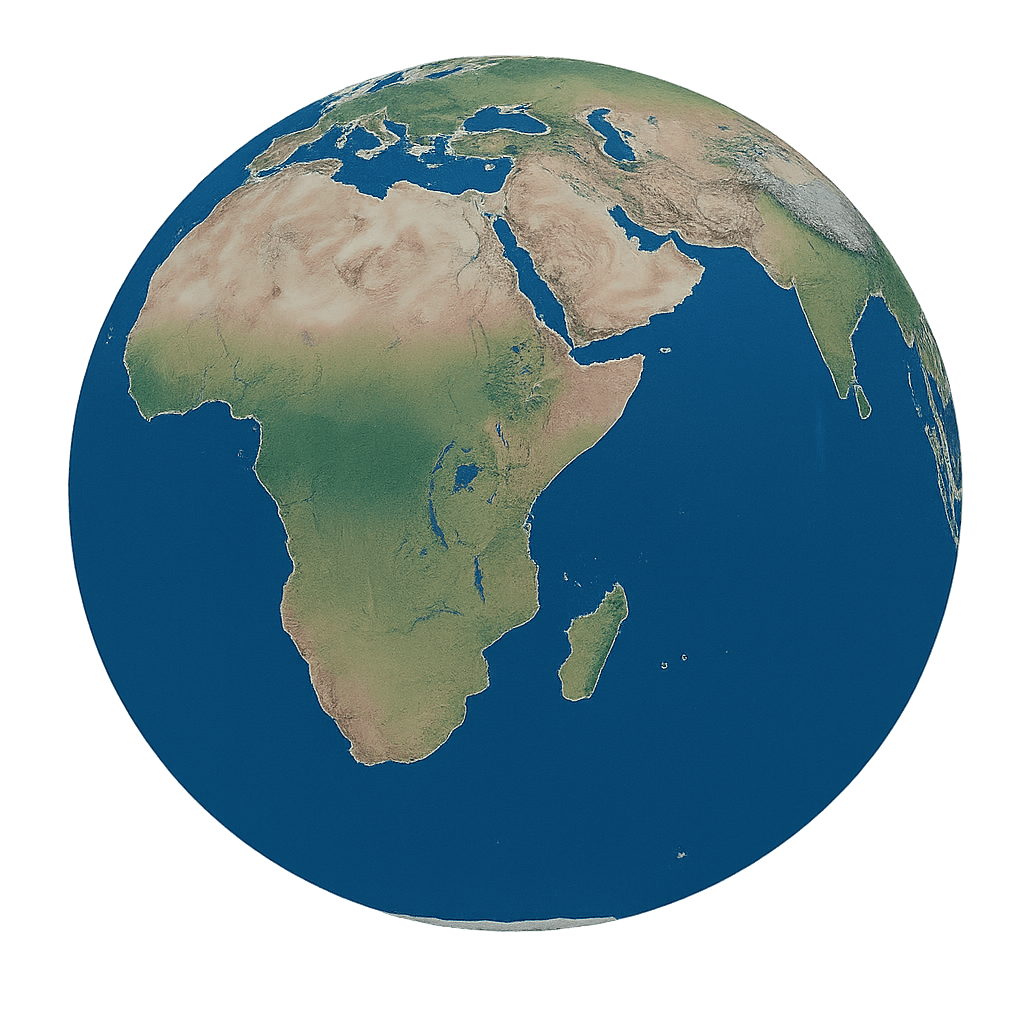
"If the Americans want to think of a solution for the Strait of Hormuz with stupid measures, they should be careful not to add another strait to their problems and predicaments,"
adding that "the Bab al-Mandab Strait is considered one of the world’s strategic straits, and Iran has both the will and the ability to create a completely credible threat against it."
The waterway accounted for approximately 12% of global oil transport in early 2023, with shipments averaging around 4.2 million barrels per day in early 2025. Any interruption to traffic through this route could severely impact trade between Europe and Asia, forcing ships to reroute around Africa—an alternative that would significantly extend travel times and raise transportation costs.
Given its strategic significance, the strait has attracted a strong military presence from major powers, including the United States, France, and China, reflecting its central role in maintaining the stability of global commerce.
Legal Disclaimer:
EIN Presswire provides this news content "as is" without warranty of any kind. We do not accept any responsibility or liability for the accuracy, content, images, videos, licenses, completeness, legality, or reliability of the information contained in this article. If you have any complaints or copyright issues related to this article, kindly contact the author above.
