

2025-2026 Global Multilayer Ceramic Chip Capacitor (MLCC) Market Overview and In-Depth Research - CHIPMLCC Perspective
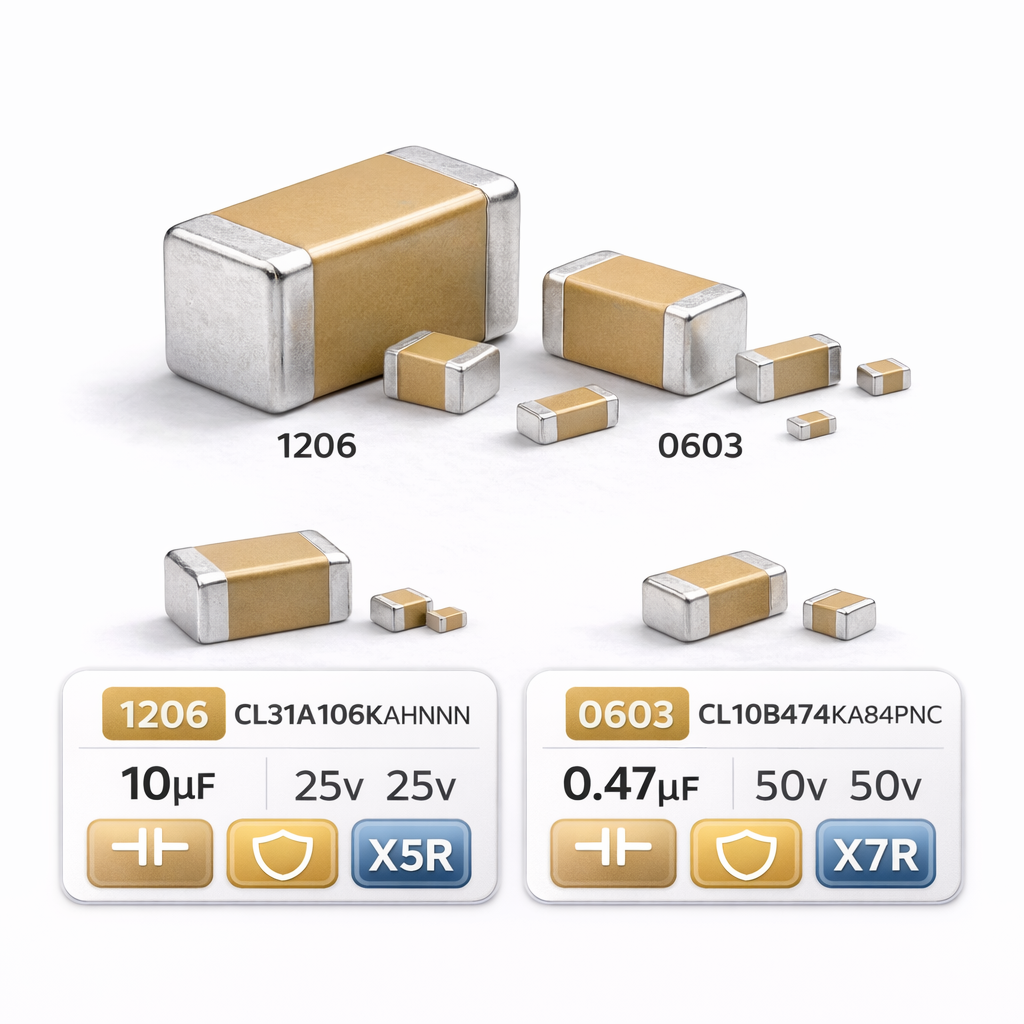
CHIPMLCC.RU capacitor supplier
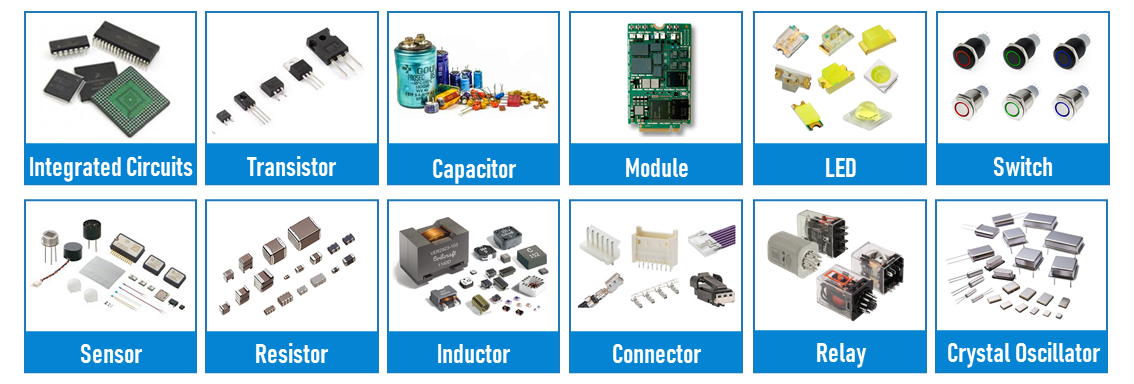
CHIPMLCC.RU electronic component one-stop supporting service provider
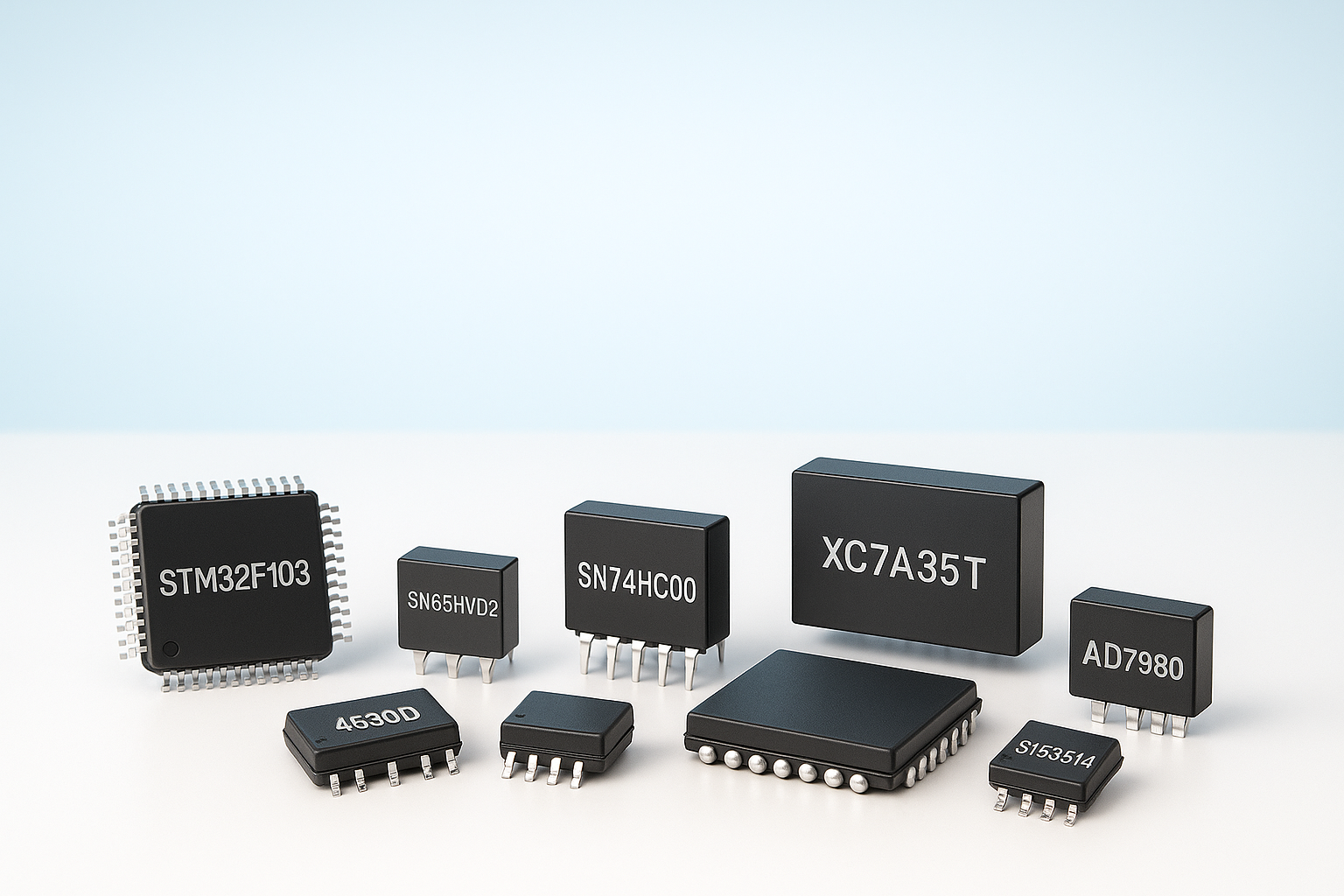
CHIPMLCC.RU is a one-stop service provider for a full range of electronic components.
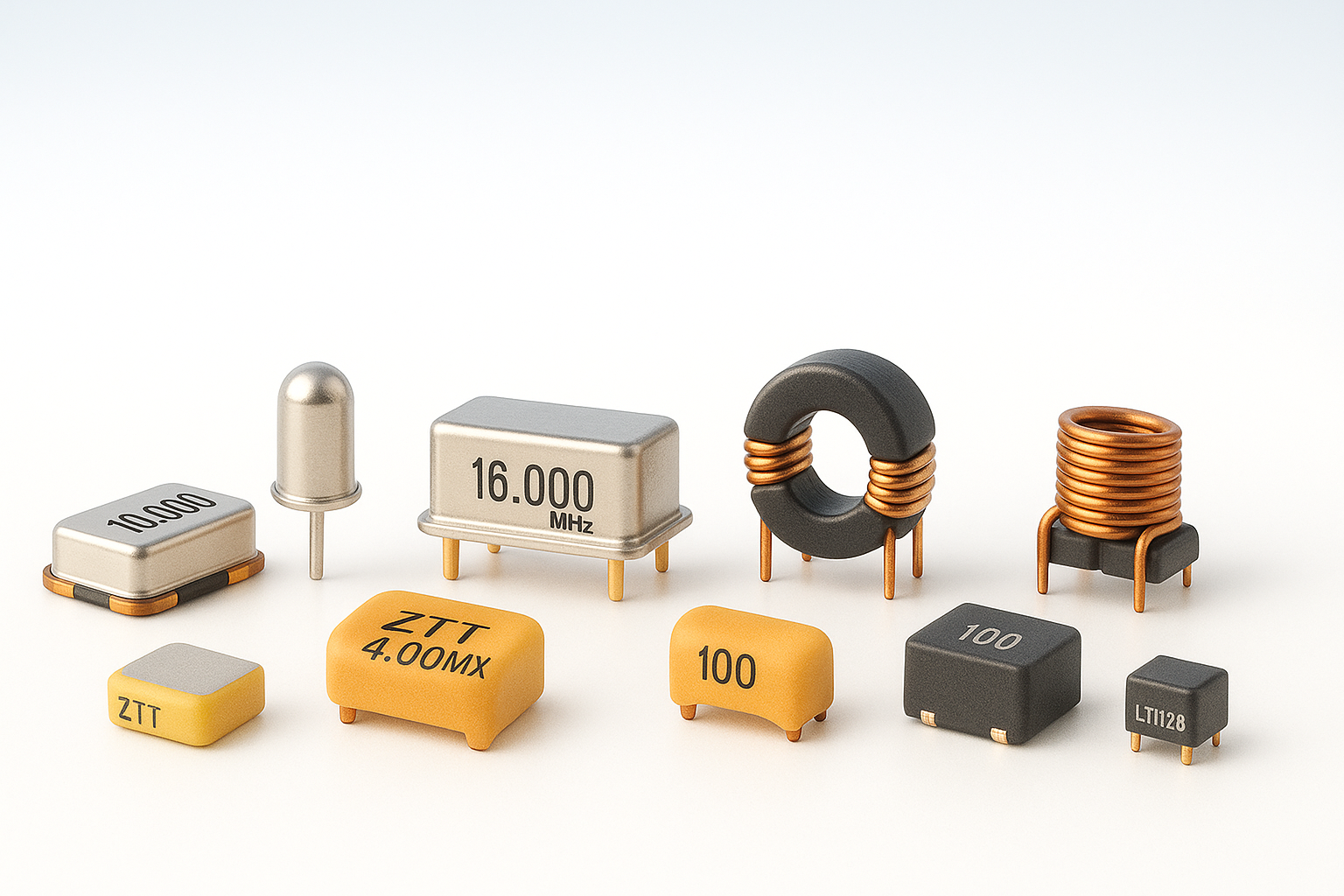
CHIPMLCC.RU Inductor Coil and Crystal Distributor
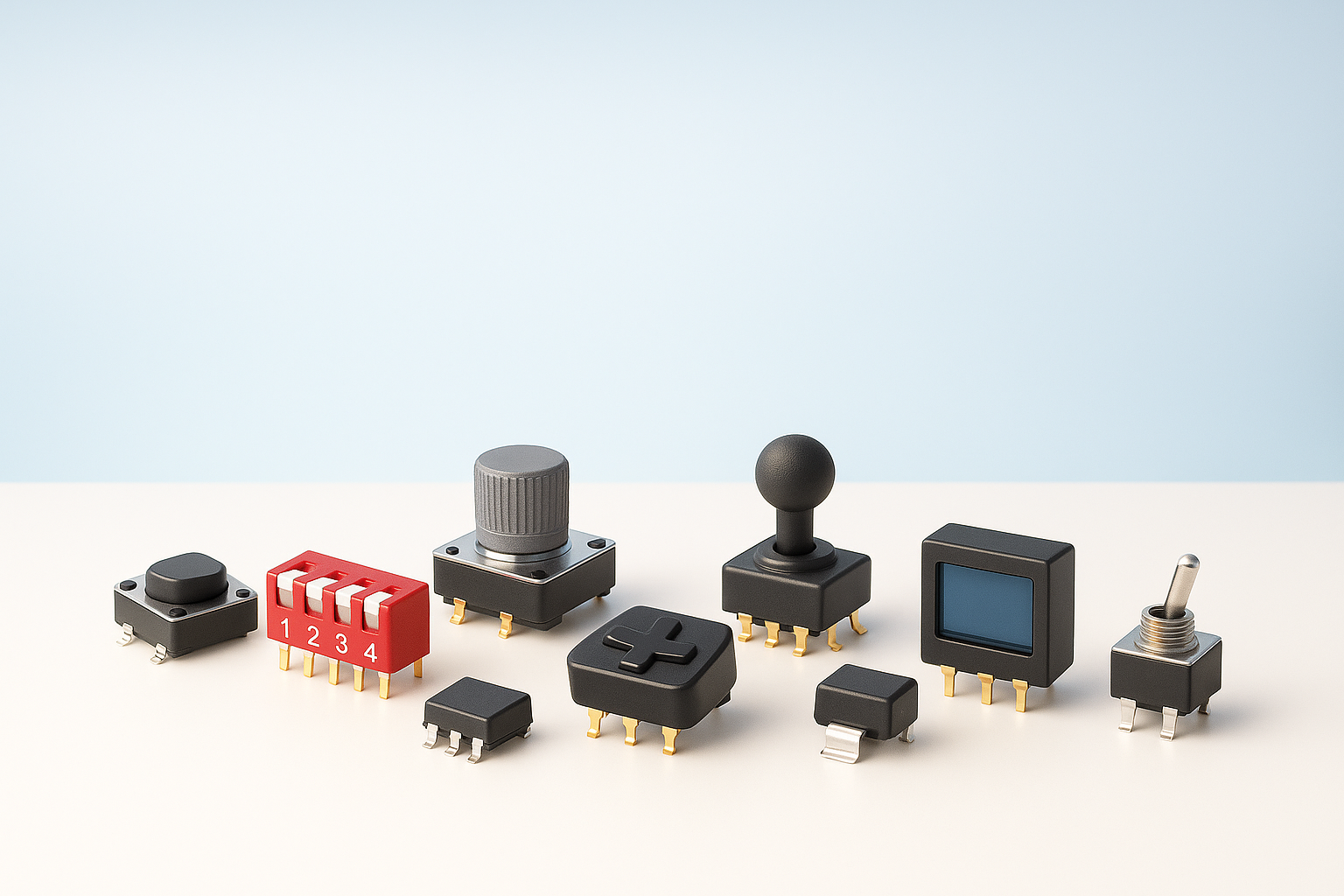
CHIPMLCC.RU switch terminal manufacturer and distributor
2025–2026 MLCC market splits: consumer pricing remains weak, while EV 800V, AI servers, and 5G drive high-reliability, high-voltage demand
MOSCOW, MOSCOW, RUSSIA, February 3, 2026 /EINPresswire.com/ -- As the world steps into 2026, the global multilayer ceramic capacitor (MLCC) industry is undergoing a profound structural transformation. The market has decisively moved beyond the historical pattern of broad, homogeneous cycles—where prices and volumes rose and fell in unison—and has entered a new era defined by deep segmentation, technology barriers, and differentiated demand. While the overall market is projected to expand from USD 23.67 billion in 2025 to USD 26.25 billion in 2026 (an estimated ~10.9% CAGR), this headline growth obscures a far more dynamic reality: the MLCC ecosystem is splitting into two markedly different tracks, with distinct supply-demand dynamics, pricing power, and competitive rules.
On one side, the consumer electronics-driven “general-purpose” market is reaching the tail end of an inventory correction cycle and remains mired in low-margin competition. On the other, the “strategic” market—anchored by electric vehicles (EVs), AI servers and data centers, and 5G base stations—is tightening toward structural shortage conditions in key high-spec segments. Together, these forces are reshaping the industry’s value distribution logic, accelerating capacity reallocation, and elevating reliability and advanced packaging to the center of MLCC competitiveness.
“This is no longer a market where one set of indicators explains everything,”According to an industry analyst familiar with the dynamics of the MLCC supply chain (CHIP MLCC electronic component full-series supporting service provider).. “The industry is now defined by technological discontinuities—especially in high-voltage, high-capacitance, low-ESR/low-ESL products—and by application-driven reliability requirements that cannot be solved through scale alone.”
A Market No Longer Defined by One Cycle: From Homogeneity to Divergence
Historically, MLCCs have been described as the “rice of the electronics industry,” a ubiquitous component whose price fluctuations often served as a leading signal for broader electronics cycles. Yet the last decade has demonstrated that MLCC cycles are not simple, smooth oscillations; they are formed by the interplay of capacity time-lag effects and the bullwhip effect, where small demand changes can become amplified through procurement and channel behavior.
The industry’s recent cycle history illustrates this evolution:
2018’s “super shortage” offered a cautionary lesson. As Japanese manufacturers (including major incumbents) shifted capacity away from conventional products and toward automotive-grade segments, and as smartphones upgraded specifications, the market experienced an unprecedented shortage and price surge. The core lesson: when low-end capacity exits faster than high-end capacity can ramp, the resulting imbalance can be extreme.
2023–2024’s inventory digestion reflected post-pandemic consumption pull-forward and a prolonged destocking phase. By the end of 2024, OEM inventory at the manufacturer level had largely returned to a healthier range—often described as roughly four to six weeks—even as structural imbalances lingered in channel inventories.
2025–2026’s “K-shaped recovery” has become the new normal. As of late 2025, general-purpose MLCC lead times stabilized around 8–12 weeks, with pricing oscillating near historical lows. In contrast, high-capacitance, high-voltage, and high-temperature products remained at 20+ weeks in many cases, and some automotive-grade part numbers continued under allocation.
This divergence is not a temporary anomaly. It reflects the industry’s deeper reconfiguration: conventional consumer demand is structurally mature, while EV electrification, AI compute growth, and 5G deployment continue to create concentrated pressure in advanced MLCC categories where manufacturing know-how and materials consistency are decisive.
Pricing in 2026: The “Scissors Spread” Widens
The first quarter of 2026 highlights a clear “scissors spread” in MLCC pricing, where general-purpose categories trend flat-to-soft while strategic high-spec segments maintain firm or rising pricing.
General-purpose consumer MLCCs: a buyer’s market
For common form factors such as 0402 and 0201, and for standard X5R/X7R parts below 1 µF, the market is fully buyer-driven. Competition is intense among mainland Chinese manufacturers and Taiwanese suppliers, especially in capacity expansion. With relatively low technology barriers in these categories, price competition remains the primary lever. Contract pricing is expected to remain largely stable, while spot pricing may soften slightly during seasonal off-peak periods (often described as roughly -1% to -3%).
For suppliers aiming to compete here, the pathway is increasingly narrow: yield control and scale efficiency have become the fundamental survival requirements, while pure price-based entry is widely regarded as unsustainable.
Strategic high-spec MLCCs: firm pricing supported by scarcity and non-substitutability
At the other end of the spectrum, MLCCs characterized by high voltage (1000V+), high capacitance (47 µF+), and high temperature tolerance (150°C+) remain structurally supported. Two forces reinforce pricing strength:
Raw material cost pass-through
High-end MLCCs depend heavily on ceramic powders and electrode metals. In general terms, ceramic powder can account for approximately 30%–40% of cost, while electrode metals can account for roughly 20%–30%. Volatility in nickel and palladium, combined with supply tightness in high-grade ceramic powders such as barium titanate (BaTiO₃), has pressured BOM cost structures. In high-end segments dominated by a small set of incumbents, cost pressures have been more readily passed through.
Technology premium and lack of replacement
AI servers require MLCCs with ultra-low ESR (equivalent series resistance) and minimized ESL (equivalent series inductance). In key decoupling locations, MLCCs cannot be easily substituted by electrolytic capacitors, reinforcing supplier pricing power. In constrained part numbers, price increases—sometimes cited in a 5%–10% range—can occur under shortage conditions.
Regional Dynamics: APAC Demand Restructures, North America Prioritizes Compliance, Europe Builds Energy Infrastructure
The MLCC industry’s center of gravity remains in the Asia-Pacific region (APAC), which accounts for a majority of global consumption. However, the region’s demand structure is shifting rapidly.
APAC: Manufacturing engine and the epicenter of substitution
China remains the largest assembly base, and its demand profile is evolving from purely volume-driven consumption toward targeted localization. Policy-driven “domestic substitution” has accelerated the replacement of Japanese and Korean suppliers in mid-to-low-end categories, while high-end categories continue to be constrained by materials consistency and proprietary process know-how.
North America: high-end demand with supply-chain security requirements
North America’s demand growth is increasingly linked to industrial automation and high-end server infrastructure. The region is often described as less price-sensitive but more stringent in supply-chain compliance, including origin requirements and reliability expectations.
Europe: energy transition supports high-voltage applications
Europe continues to expand renewable energy infrastructure, including applications in PV inverters, wind power converters, and EV charging deployments. These scenarios often require high-voltage, large-case MLCCs in sizes such as 1210, 1812, and 2220, reinforcing Europe’s demand foundation in strategic categories.
Capacity and Supply Chain: A Pyramid Structure and a Visible Reshuffle
Global MLCC capacity distribution increasingly resembles a pyramid, with different tiers pursuing distinct strategies.
Tier 1: Japanese incumbents focus on “capacity substitution” and technology lock-in
Leading Japanese manufacturers are systematically reallocating production away from commoditized consumer lines and toward automotive-grade, ultra-miniature, high-capacitance, and high-reliability categories. The strategy is frequently summarized as “abandon low-end, protect high-end.” Investment is not simply in new equipment, but in automation-driven manufacturing systems designed to lower per-unit labor cost and preserve margin without relying on low pricing.
Tier 2: Korean and Taiwanese players scale and integrate
Samsung Electro-Mechanics remains positioned as a major challenger capable of pursuing advanced miniaturization and high-capacitance development, including aggressive moves into automotive applications. Taiwanese groups pursue scale and portfolio breadth, including bundling approaches enabled by acquisitions across passive and magnetic component domains, with utilization strategies often managed to maintain pricing discipline.
Tier 3: Mainland China accelerates localization with expanding equipment independence
Mainland manufacturers are scaling rapidly, supported by major capacity programs. A notable shift is the rising adoption of domestically produced manufacturing equipment, including tape-casting and stacking systems. This reduces capital expenditure intensity and strengthens long-term cost resilience. However, movement into the highest-end segments remains bounded by materials consistency and advanced process control.
The “Invisible War” in the BOM: Localization, Dual Sourcing, and Risk-Based Qualification
The reconfiguration of supply chains is increasingly expressed through BOM politics. OEMs are implementing substitution roadmaps that prioritize domestic sourcing for non-critical passive components, often requiring second- and third-source suppliers in approved vendor lists. This dynamic offers domestic manufacturers a valuable window for controlled trial, iteration, and reliability validation—particularly in segments where the cost-benefit of localization is most compelling.
At the same time, the boundaries of substitution remain clear. Localization is most advanced in standard products (e.g., common sizes and lower-voltage general-purpose parts), while ultra-miniature and high-voltage automotive-grade parts remain strongly influenced by Japanese incumbents’ technology advantages.
Technology Evolution (2025–2026): Miniaturization, High Capacitance, and Reliability as the New Core
MLCCs may appear structurally simple, but they are the product of advanced nanomaterials, precision forming, and thermal processing. The industry’s technology evolution is increasingly concentrated in three dimensions:
1) Miniaturization: approaching physical limits
In 5G smartphones and wearables, PCB real estate is scarce. 01005 is increasingly mainstream in high-end devices, while 008004 is entering RF module (SiP) applications. Producing these components requires sub-micron dielectric thickness control and semiconductor-grade alignment accuracy. In this arena, layer count and manufacturing precision represent strong competitive moats.
2) High voltage and high capacitance: materials science as a differentiator
The EV transition to 800V architectures elevates voltage requirements to 1000V and even 2000V in some designs, with corresponding demands on insulation performance, dielectric strength, and package design. Meanwhile, AI compute growth drives the need for “high capacitance in small volume,” often achieved through higher effective layer counts without expanding footprint. In larger case sizes such as 1210, ultra-high-capacitance products (e.g., 100 µF-class) are increasingly positioned to replace traditional polymer capacitors in selected applications.
3) Soft termination: the reliability moat for automotive MLCCs
Automotive MLCC reliability is often defined by resistance to mechanical stress. Standard MLCCs are brittle; PCB bending due to vibration or thermal cycling can induce flex cracks, leading to short circuits or catastrophic failure. Soft termination inserts a conductive resin layer between metal layers, acting as a mechanical stress absorber. Typical performance references note that standard MLCCs may tolerate ~2 mm of board bending, whereas soft-termination products can tolerate 5 mm or even 10 mm, making them essential in powertrain and ADAS safety-critical systems.
Core Application Pain Points and High-Value Opportunities
Automotive electronics: electrification and intelligence drive value expansion
An L3 autonomous electric vehicle can require 18,000–22,000 MLCCs, reflecting both unit growth and a sharp increase in value per vehicle. The main stress factors include:
Thermal shock from -55°C to +150°C, requiring upgrades from standard X7R to X8R or specialized X7T dielectrics.
High-voltage breakdown risk under 800V fast charging and extreme transients, driving demand for open-mode designs and redundancy (including series connection).
Mechanical stress cracking from continuous vibration.
Opportunity focus: AEC-Q200 is only the entry threshold. Market advantage increasingly depends on integrated offerings combining soft termination + high voltage (1000V-class) + redundancy design, especially in OBCs and DC-DC converters, where demand for mid-to-high-voltage high-capacitance MLCCs is accelerating.
AI servers and data centers: power integrity becomes the hidden bottleneck
AI training clusters and high-power GPUs demand exceptional power delivery stability. Key pain points include:
Nanosecond transient response requirements, where high ESR/ESL can cause voltage droop, computation errors, or system crashes.
Severe space constraints on compute baseboards, increasing demand for high volumetric/areal efficiency.
Thermal wear-out due to ripple-current induced heating.
Opportunity focus: Ultra-low-ESR MLCCs in advanced packages such as 3-terminal or reverse-geometry (LW Reverse) are emerging as premium categories due to their ESL reduction and high-frequency response benefits. Ultra-high-capacitance MLCCs in 1210/1206 are increasingly positioned as high-margin alternatives to polymer capacitors in suitable locations.
5G infrastructure: harsh environments and lifetime expectations redefine specifications
Outdoor deployment introduces unique failure modes, notably:
Sulfurization corrosion, where silver in terminations reacts with sulfur compounds, degrading insulation and causing shorts.
High maintenance cost, making a 10–15 year maintenance-free life a requirement.
High thermal density within active antenna units (AAUs), increasing high-temperature endurance requirements.
Opportunity focus: Anti-sulfurization MLCCs—enabled by protective alloys, coatings, conductive resins, or enhanced barrier layers—represent a direct response to a mission-critical pain point. Domestic breakthroughs in anti-sulfurization formulations and process consistency can unlock significant share in base-station operations and maintenance markets.
Competitive Landscape: Three Tiers, Three Playbooks
Tier 1: Japanese oligopolies as technology definers
Murata remains the industry benchmark, with strong vertical integration across materials and production systems, delivering exceptional consistency favored by top-tier OEMs. Its general-purpose series is widely recognized as an industry standard, while its automotive-grade offerings represent particularly deep technical barriers.
TDK is widely recognized for strength in high-voltage technologies and soft termination approaches, with high penetration in safety-relevant automotive domains.
Tier 2: Korean and Taiwanese challengers as scale and portfolio competitors
Samsung Electro-Mechanics (SEMCO) leverages semiconductor manufacturing discipline to advance miniaturization and high-capacitance performance, expanding aggressively into automotive applications while maintaining presence in consumer segments.
Yageo emphasizes integration and bundling, expanding solution breadth and supporting customer kitting strategies, maintaining strong positioning in general-purpose markets.
Tier 3: Mainland China as localization pioneers
Fenghua continues expanding product breadth and advancing automotive and anti-sulfurization lines through qualification pathways. While gaps may remain in the most extreme high-capacitance categories, conventional product substitution capability has strengthened significantly.
China Three-Circle Group (CCTC) brings materials advantages and cost competitiveness, focusing on core process improvements—especially in sintering—and building strong market share in lighting, appliances, and networking segments.
Case Studies: Failure Analysis Clarifies the Real Requirements
Case A: 800V OBC cold-start failures in extreme environments
A new-energy vehicle maker observed a 3% cold-start failure rate in an 800V on-board charger in extremely cold road tests. Teardown revealed an 0805 X7R MLCC in a MOSFET gate-drive circuit had cracked and shorted. Root causes included severe thermal cycling near hot power devices, CTE mismatch generating high shear stress at solder joints, and the lack of soft termination in the affected batch.
Countermeasures included replacing the part with soft-termination series offerings, rotating placement to align with lower-stress PCB directions, and upgrading the dielectric to X7T for improved thermal crack resistance. The key takeaway: automotive-grade certification is a baseline—application-specific stress matching is decisive.
Case B: coastal 5G small-cell sulfurization failures
A telecom operator deployed 5G small cells in a coastal industrial area and observed widespread signal degradation within six months. Microscopy showed blackened terminations and silver-sulfide crystal formation on 0402 MLCCs, causing shorts. The root cause was high sulfur compound exposure penetrating non-hermetic enclosures and reacting with termination silver layers. The solution was comprehensive replacement with anti-sulfurization MLCCs using protective conductive resin layers or enhanced nickel barriers. The takeaway: for outdoor electronics, anti-sulfurization protection is a top-tier requirement alongside water and dust protection.
Outlook 2026–2030: From Scale to a Comprehensive Contest of Technology and Resilience
Looking ahead, the MLCC industry is evolving from scale-based competition into a comprehensive contest defined by materials science, precision manufacturing, and supply-chain resilience. Companies attempting to cover all segments risk resource dilution; focusing on high-barrier niches—such as AI power integrity and automotive powertrain-grade MLCCs—offers a clearer path to profit maximization.
For OEMs, building diversified, tiered approved vendor lists is becoming non-negotiable. Selection can no longer be driven purely by price; it must be guided by application risk level. Safety-critical systems will continue to prefer top-tier Japanese or leading Korean sources, while non-critical paths provide an expanding opportunity for qualified domestic capacity to balance cost and security.
In this transformation, data, technology, and trust form the bridge between supply and demand. A panoramic understanding of cycle mechanics, capacity shifts, application stress profiles, and technology discontinuities will be essential for decision-makers navigating the next phase of the MLCC market.
CHIPMLCC
www.chipmlcc.ru
+86 180 0257 1668
email us here
Legal Disclaimer:
EIN Presswire provides this news content "as is" without warranty of any kind. We do not accept any responsibility or liability for the accuracy, content, images, videos, licenses, completeness, legality, or reliability of the information contained in this article. If you have any complaints or copyright issues related to this article, kindly contact the author above.
